


Hand
Fracture
When most people think of a broken hand, they picture a simple injury that heals on its own with a bandage and some rest. The reality is far more serious.
A hand fracture threatens the intricate system of bones, tendons, nerves, and joints that allows you to grip, pinch, type, and perform the tasks that define your daily life. Without precise treatment, even a seemingly minor break can result in permanent stiffness, chronic pain, or loss of fine motor function.
Dr. Ehab Aldlyami, a UK-trained Consultant Orthopedic Surgeon and the Vice President of the Emirates Hand Surgery Society, provides world-class expertise in hand fractures treatment in Dubai. By combining advanced surgical techniques with a deep understanding of hand anatomy, he ensures that patients regain full function and dexterity.
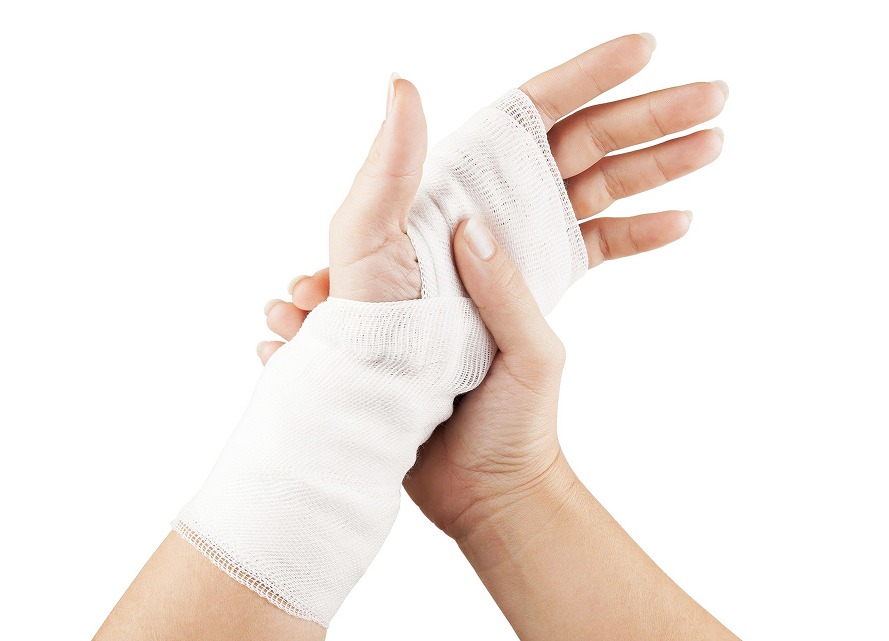
Types of Hand Fracture: Understanding the damage
A hand fracture is categorized by which bone is broken and the pattern of the break. Because the hand contains nearly one-fourth of the bones in the human body, the variety of injuries is extensive.
- Metacarpal fractures: Breaks in the long bones of the palm. One of the most common is the Boxer’s fracture, which usually affects the neck of the little finger metacarpal and often occurs after punching a hard surface.
- Phalangeal fractures: Fractures in the finger bones, which may involve the joints and affect finger movement.
- Intra-articular fractures: These extend into the joint and require precise treatment to prevent stiffness and arthritis.
- Comminuted fractures: The bone is broken into multiple pieces, often due to high-impact injuries.
- Hairline (stress) fractures: Small cracks in the bone that may be easily missed but still require proper care.
Recognizing the signs of a broken hand
Not every fracture is obvious. While some injuries result in visible deformity, others, like a hairline fracture in hand can be deceptive, often dismissed as a simple sprain.
Hairline fracture in hand
A hairline fracture is a thin, incomplete crack in the bone. Symptoms are often subtle:
- A dull, persistent ache that worsens with activity
- Mild swelling without visible deformity
- Tenderness along a specific point of the bone
- Pain that seems too much for what appears a minor knock
- Minimal or no deformity
Displaced or severe fractures
These present more obviously:
- Immediate, sharp pain at the moment of injury
- Visible swelling, bruising, and deformity
- Inability to straighten or bend a finger normally
- Visible deformity or crooked fingers
- Numbness or tingling (possible nerve involvement)
What causes a Hand Fracture?
A hand fracture occurs when a strong force or sudden impact causes one or more of the small bones in the hand to break. Because the hand is involved in almost every daily activity, it is particularly vulnerable to injury.
The most common causes include:
- Falls onto an outstretched hand (most common cause)
- Sports injuries from high-impact or contact activities
- Direct blows or crushing injuries to the hand
- Workplace or machinery-related injuries, especially in manual labor environments
- Road traffic accidents, leading to high-force trauma
- Osteoporosis, where weakened bones are more likely to break even with minor trauma
Understanding the cause helps guide the most effective hand fracture and tendons treatment, ensuring proper healing and restoration of hand function under the care of specialists like Dr. Ehab Aldlyami.
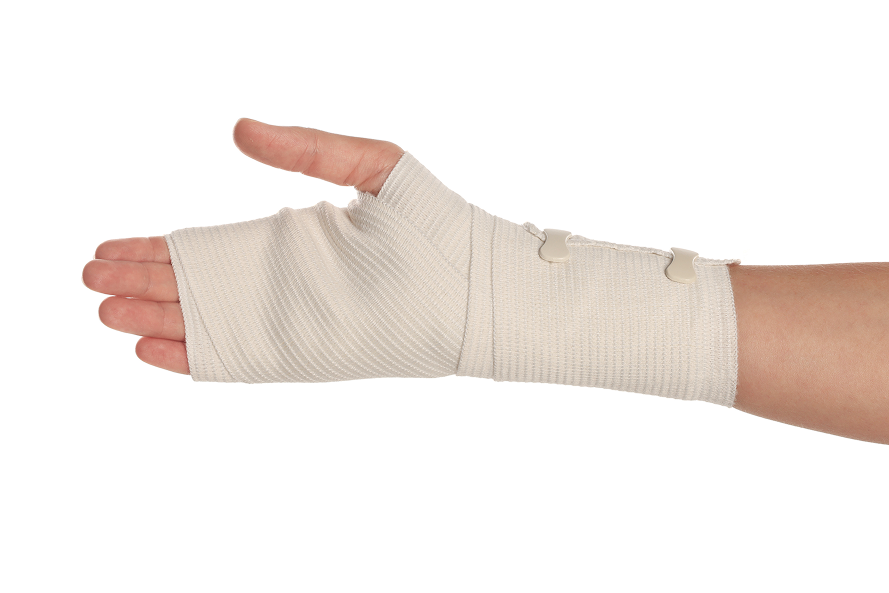
Advanced diagnosis: How are Hand Fractures diagnosed?
Effective broken hand treatment begins with a precise diagnosis. Dr. Ehab Aldlyami utilizes a combination of physical clinical exams and high-resolution imaging to determine the exact nature of the break.
- Detailed clinical examination to assess alignment, stability, and tendon function
- High-resolution X-rays to detect fractures and displacement
- Advanced imaging (CT scan or MRI) for complex or subtle injuries
A correct diagnosis is not just about confirming the fracture, it is about understanding exactly which structures are involved before a hand fracture treatment plan is formed.
Your treatment options: Hand Fractures treatment in Dubai
One of the most common mistakes in general orthopedic care is treating the bone in isolation. In the hand, bones and tendons live in a very tight space.
Hand fracture and tendons treatment must go hand-in-hand. If a bone heals in a way that creates scar tissue around the tendons, the patient may end up with a “stiff hand,” even if the bone is perfectly straight.
Non-surgical approach for hand fractures
In the majority of cases, non-operative treatment is sufficient to promote healing and restore hand functionality. This approach involves the following steps:
- Elevation and immobilisation: Elevation of the injured hand helps reduce swelling, and promotes blood circulation. Immobilizing the hand through a splint or cast is essential for proper bone alignment and healing.
- Controlled early range of motion: Gradual and controlled early range of motion exercises are initiated within the pain limits. This helps prevent stiffness and improve joint mobility during the healing process.
- Neighbour strapping: It is a technique where the injured finger is taped to an adjacent healthy finger to provide support and stability while allowing some movement.
- Hand therapy: Hand therapy plays a crucial role in the rehabilitation process. Hand therapists work with patients to improve hand strength, flexibility, and functional abilities through targeted exercises and activities.
Surgical intervention for hand fractures
While non-operative treatment is the preferred approach, there are instances where surgery becomes necessary.
Surgery is typically indicated in the following situations:
- Rotational deformity: When a fracture causes the bones in the hand to rotate or twist, surgical intervention may be required to realign the bones properly.
- Significant angular deformity: Fractures that result in a significant shift in the bone alignment may require surgery to correct the deformity and ensure proper healing.
- Open fractures: Open fractures, where the broken bone pierces through the skin, are at a higher risk of infection and may require surgical cleaning and stabilisation.
Depending on the injury, different techniques may be used:
- K-wire fixation: A thin metal wire is placed across the fingertip joint to hold it in the correct position while the tendon heals.
- Fracture fixation: If a piece of bone has been pulled off with the tendon, the fragment is carefully repositioned and stabilized.
- Tendon repair: In selected cases, the damaged extensor tendon is directly repaired to restore its function.
These procedures aim to correct the mallet finger deformity, restore finger alignment, and improve long-term function.
Post-surgery care and rehabilitation
After surgery, proper care and rehabilitation are crucial for a successful recovery. Patients will receive guidance on the following aspects:
- Elevation and analgesia: Elevating the hand and managing pain are essential for reducing swelling and discomfort after surgery.
- Early range of motion: Early range of motion exercises are encouraged after surgery to prevent stiffness and improve hand mobility.
- Scar management: Proper scar management techniques are employed to minimize scarring and promote better healing.
- Metalwork removal: In some cases, metal wires or plates used during surgery may cause irritation and need to be removed at a later stage.
Why choose Dr. Ehab Aldlyami for Hand Fractures treatment in Dubai?
When a hand fracture affects your ability to grip, write, or perform daily tasks, choosing the right specialist is essential for a full recovery.
As a UK-trained Consultant Orthopedic Surgeon and hand specialist, Dr. Ehab Aldlyami offers advanced expertise in hand trauma, fracture fixation, and tendon preservation, with a strong focus on restoring both function and confidence.
Here’s why patients trust his approach:
- Specialist expertise: Focused on hand and wrist injuries for precise treatment
- Accurate diagnosis: Detailed exams with advanced imaging
- Personalized care: Tailored surgical or non-surgical treatment plans
- Tendon-focused approach: Protects movement and prevents stiffness
- Faster recovery: Early, guided rehabilitation for better outcomes
- Patient-centered care: Clear communication and continuous support
With a results-driven and compassionate approach, Dr. Ehab Aldlyami provides expert care for those seeking broke hand treatment in Dubai, helping patients regain strength, mobility, and confidence in their daily lives.
Book a consultation today to start your recovery with specialist-led care.
FAQs
In many cases, yes, but it may be painful. Being able to move your fingers does not mean your hand isn’t broken. Only an X-ray can confirm the status of the bone.
Rest, immobilization in a proper splint, and avoiding heavy lifting are key. Dr. Ehab also recommends a protein-rich diet and avoiding smoking, as nicotine significantly slows bone healing.
Yes. Hand therapy is a critical part of recovery. It helps break down scar tissue and restores the strength needed for daily activities.
No. In medical terms, fracture and break are the same thing. Both require a professional evaluation to prevent long-term disability.
No. An untreated hand fracture can heal in a malunited position, causing permanent deformity, arthritis within the joint, tendon adhesions, and significant loss of grip strength. Early, accurate treatment is always the correct approach.
A sprain involves damage to the ligaments (tissue connecting bones), while a hairline fracture is a partial crack in the bone itself.