


Scapholunate
Ligament Injury
The wrist is a complex joint with many small bones and ligaments that help it stay strong, flexible, and stable. The scapholunate ligament is especially important because it keeps the scaphoid and lunate bones in the right position.
A scapholunate ligament injury can disrupt this balance, leading to pain, weakness, and long-term complications if not treated properly. Under the expert care of Dr. Ehab Bassim Aldlyami, patients receive accurate diagnosis and advanced scapholunate ligament injury treatment as part of comprehensive scapholunate ligament treatment in Dubai, tailored to restore wrist function and prevent further damage.
What is a Scapholunate ligament injury?
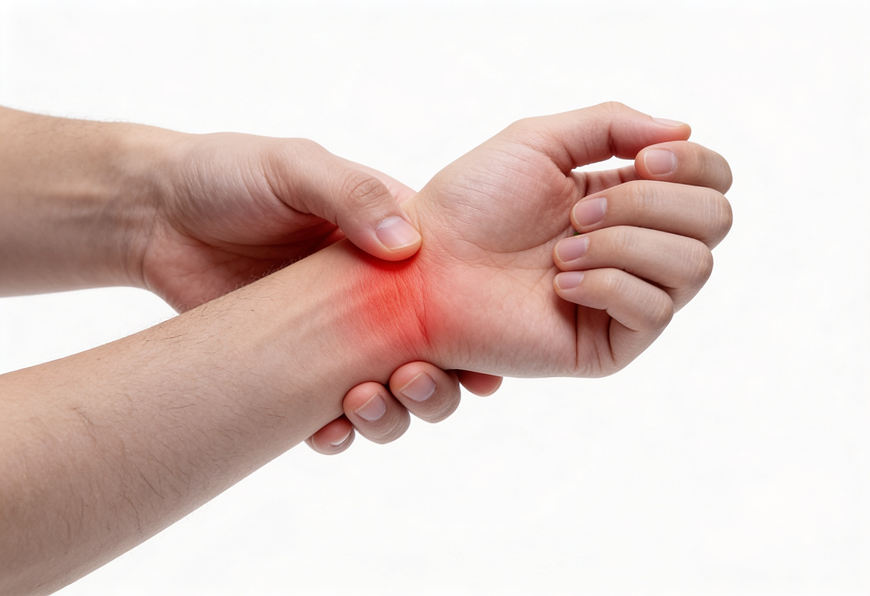
The scapholunate ligament links the scaphoid and lunate bones in your wrist and keeps them stable during movement. If this ligament is stretched, partly torn, or fully torn, it is called a scapholunate ligament injury.
This condition is one of the most common causes of wrist instability and, if left untreated, may lead to progressive arthritis known as scapholunate advanced collapse (SLAC wrist), requiring advanced scapholunate ligament injury treatment or even scapholunate ligament reconstruction.
Causes of Scapholunate ligament injury
This injury typically occurs due to trauma or excessive force applied to the wrist. Common causes include:
- Falling and landing on an outstretched hand (also called a FOOSH injury)
- Getting hurt while playing sports, especially contact sports
- Injuries from road traffic accidents
- Repeated strain or long-term overuse of the wrist
- Sudden twisting motions of the wrist.
Even minor injuries can sometimes result in ligament damage that worsens over time if not addressed early with proper scapholunate ligament injury treatment.
Symptoms to look for
The symptoms you experience will depend on how serious the injury is. Some people feel pain right away, while others notice symptoms slowly over time. Common signs include:
- Pain on the thumb side of the wrist
- Swelling and tenderness
- Clicking or clunking sensation during wrist movement
- Weak grip strength
- Difficulty performing daily activities
- Feeling of instability in the wrist
In chronic cases, patients may also experience stiffness and reduced range of motion, often requiring specialized scapholunate ligament treatment in Dubai.
Diagnosis
Accurate diagnosis is essential to prevent long-term complications. Dr. Ehab Bassim Aldlyami uses a combination of clinical evaluation and advanced imaging techniques to confirm the condition and plan the most effective scapholunate ligament injury treatment.
Diagnostic methods may include:
- Physical examination and stress tests
- X-rays to detect bone alignment changes
- MRI scans to assess ligament damage
- CT scans for detailed joint imaging
- Wrist arthroscopy (in selected cases)
Early diagnosis significantly improves treatment outcomes and reduces the risk of arthritis and the need for scapholunate ligament reconstruction.
Treatment options
Treatment is determined by the severity of the injury and how early it is diagnosed. Dr. Ehab Bassim Aldlyami offers advanced scapholunate ligament treatment in Dubai using both conservative and surgical approaches.
Scapholunate ligament injury treatment
- The choice of scapholunate ligament injury treatment depends on the severity of the injury and wrist stability
- Patients receive personalized scapholunate ligament treatment in Dubai for optimal recovery and function
Conservative treatment options
- Suitable when the ligament is intact and the joint remains stable
- Common first-line scapholunate ligament injury treatment includes:
- Wrist immobilization using a brace
- Rest and activity modification
- Ice therapy to reduce swelling
- A structured physiotherapy program helps:
- Restore strength
- Improve mobility
- Early treatment increases success without needing scapholunate ligament reconstruction
- Advanced scapholunate ligament treatment in Dubai may be required if symptoms persist.
When conservative treatment is not enough
- Considered when initial scapholunate ligament injury treatment fails
- Corticosteroid injections help to:
- Reduce inflammation
- Relieve pain
- Ultrasound-guided injections offer:
- Higher accuracy
- Fewer complications
- Faster symptom relief
- Helps patients actively participate in rehab and avoid scapholunate ligament reconstruction in some cases.
Surgical treatment options
- Recommended when non-surgical scapholunate ligament injury treatment does not provide relief
- Part of advanced scapholunate ligament treatment in Dubai for restoring wrist stability
Early operative intervention
- Ideal for:
- Younger patients
- Good bone quality
- Procedure includes:
- Opening the wrist joint
- Realigning scaphoid and lunate bones
- Stabilizing with metal pins
- Reattaching ligament using anchor screws
- Early surgery improves outcomes and may prevent the need for scapholunate ligament reconstruction
Late operative intervention
- Required when the injury is diagnosed late
- A damaged ligament may no longer be repairable.
- Scapholunate ligament reconstruction is recommended.
- Procedure involves:
- Using a tendon graft from nearby tissue
- Reinforcing and stabilizing the joint
- A key part of advanced scapholunate ligament injury treatment
Post-operative results
- The main goal is to get the wrist bones back into the right position.
- The ligament heals with scar tissue instead of growing back exactly as it was before.
- Expected outcomes:
- Reduced pain
- Improved stability
- Some wrist stiffness
- Most patients regain:
- Most people get back about 50 to 60 percent of their normal wrist movement.
- Proper rehab after scapholunate ligament reconstruction improves outcomes.
- Expert scapholunate ligament treatment in Dubai ensures better long-term function
Recovery and rehabilitation
Recovery time varies depending on the type of treatment. Patients undergoing conservative care may recover within a few weeks, while surgical cases, especially after scapholunate ligament reconstruction, may require several months of rehabilitation.
Rehabilitation typically involves:
- Gradual range-of-motion exercises
- Strength training
- Hand therapy under expert supervision
- Avoiding heavy activities during healing
Following the prescribed rehabilitation plan ensures better outcomes after scapholunate ligament treatment in Dubai and reduces the chances of reinjury.
Why choose Dr. Ehab Bassim Aldlyami?
Dr. Ehab Bassim Aldlyami is known for his expertise in diagnosing and providing advanced scapholunate ligament injury treatment and scapholunate ligament reconstruction.
Patients benefit from:
- Personalized treatment plans
- Advanced diagnostic tools
- Minimally invasive surgical techniques
- Comprehensive rehabilitation guidance
- Focus on long-term joint preservation
With a patient-centered approach, Dr. Ehab Bassim Aldlyami ensures optimal recovery and improved quality of life through expert scapholunate ligament treatment in Dubai.
Get expert wrist care with Dr. Ehab Bassim Aldlyami
Don’t let wrist pain limit your daily life. Early diagnosis and the right treatment can prevent long-term complications and restore full function.
Book your consultation with Dr. Ehab Bassim Aldlyami to receive advanced scapholunate ligament treatment in Dubai, including specialized scapholunate ligament reconstruction when needed.
Take the first step toward a stronger, pain-free wrist with expert care you can trust.
FAQs
The severity of a scapholunate ligament injury can vary. If it is not treated, it may cause ongoing wrist instability and arthritis, so getting early treatment is important.
Partial tears can sometimes heal with rest and wearing a splint. Complete tears, though, often need surgery to repair the ligament.
Most people need about 3 to 6 months to recover, especially after surgery to repair the ligament.
If the injury is not treated, the wrist can slowly get worse over time, a condition called SLAC wrist. This may eventually need more complex treatment.
No, mild injuries are often treated without surgery. Whether you need surgery depends on how serious the injury is and how stable your wrist feels.
Yes, most people can return to sports after they have healed and completed rehabilitation.
A wrist sprain involves general ligament stretching, while a scapholunate injury specifically affects a critical stabilizing ligament, often requiring targeted scapholunate ligament injury treatment.
You cannot always prevent this injury, but strengthening exercises, proper sports techniques, and protective gear can help reduce your risk.