

Hand Pain Isn’t Always What It Seems: Insight from a Doctor

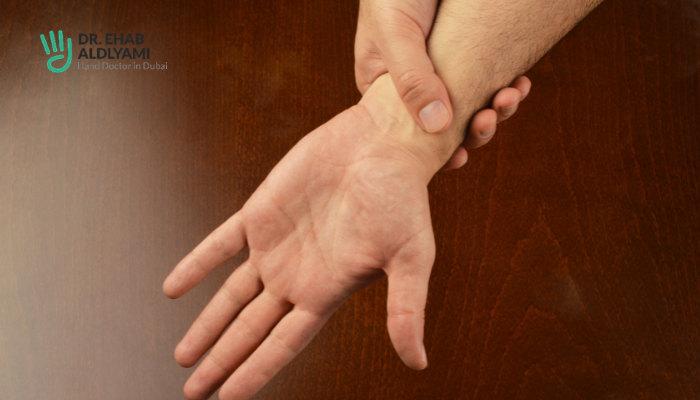
We use our hands for nearly everything — from sending texts to cooking dinner or getting through a full day at work. So when hand pain shows up, it can interrupt not just comfort, but daily life. But here’s something many people don’t realize: hand pain isn’t always caused by overuse or aging. Sometimes, it’s a sign of something deeper.
As a specialist in hand and upper extremity conditions, Dr. Ehab Bassim Aldlyami sees patients every day who wait too long to get help — assuming their pain will go away on its own. In many cases, early diagnosis and proper treatment can make all the difference.
Common Causes of Hand and Wrist Pain
Hand and wrist pain can result from a wide range of conditions, including:
- Arthritis: Common in older adults, arthritis can cause joint stiffness, swelling, and pain.
- Carpal Tunnel Syndrome: Tingling or numbness in the fingers, especially at night, may indicate pressure on the median nerve.
- Tendonitis: Overuse or repetitive strain can inflame tendons, making movement painful.
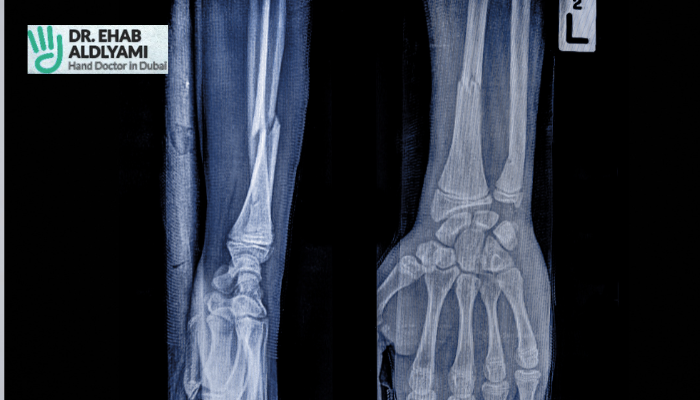
- Injuries or Fractures: Even minor trauma can lead to persistent pain if untreated.
- Nerve Compression: Surprisingly, pain in the hand may originate in the neck, elbow, or shoulder due to pinched nerves.
Hand Pain: When Is It Time to See a Doctor?
Wondering when it is time to see a doctor? Learn the key signs that mean it’s time to consult a hand specialist before the condition worsens.
- Pain that lasts more than a few days
- Numbness, tingling, or burning sensations
- Trouble gripping or holding objects
- Swelling, stiffness, or visible changes in the hand
- Pain that disrupts your sleep
- A recent injury or trauma that doesn’t improve
The longer you wait, the higher the risk of long-term damage — especially if nerves or joints are involved.
Hand Pain Treatment: Why Early Care Matters
Many conditions can be managed without surgery — if caught early. Depending on your diagnosis, Dr. Ehab Bassim Aldlyami may recommend:
- Rest and activity modification
- Splinting or bracing
- Physical therapy
- Anti-inflammatory medications
- In few cases, minimally invasive procedures or surgery
The aim is to relieve pain, restore hand function, and prevent future complications.
How to Relieve Hand Pain at Home
While you’re waiting for an appointment or managing mild discomfort,you may try these at-home tips:
- Rest your hand and avoid repetitive movements
- Use a cold or warm compress depending on the type of pain
- Take over-the-counter pain relievers such as ibuprofen (if safe for you)
- Wear splints or wrist brace for added support
- Do gentle hand stretches, but avoid anything that causes sharp pain
These conservative methods can help temporarily, but they’re not a substitute for expert care.
Don’t Ignore Persistent Hand Pain
Hand and wrist pain may seem normal pain at first, but they can lead to reduced mobility, nerve damage, or even permanent loss of function when symptoms are ignored. Whether it’s arthritis, a nerve issue, or a structural problem, getting the right diagnosis is key to lasting relief.
The Risk of Delaying Diagnosis
Ignoring hand and wrist pain can lead to complications such as permanent nerve damage, joint stiffness, or muscle weakness. Early treatment improves outcomes and may prevent the need for surgery.
What to Expect from a Hand Specialist Consultation
When you visit a specialist like Dr. Ehab Aldlyami, you can expect a thorough assessment, imaging (if needed), and a personalized treatment plan. Whether surgical or non-surgical, the focus is always on restoring function and quality of life.