


Importance of Early Diagnosis in Arthritis of the Hand
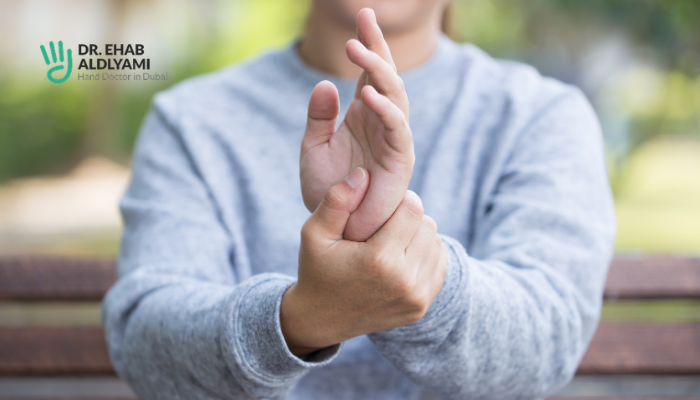
The hands are among the most active parts of the human body. From writing and cooking to typing and holding a loved one’s hand, they are constantly at work. Because of this, even mild pain or stiffness can disrupt everyday life. One of the most common causes behind persistent hand discomfort is arthritis of hand joints.
Many people dismiss early symptoms as simple fatigue or aging. Unfortunately, ignoring these warning signs can allow the condition to progress and damage joints permanently. Early identification of hand arthritis can make a remarkable difference in preserving hand function, reducing pain, and improving quality of life.
As per CDC: |
Dr. Ehab Aldlyami emphasizes that recognizing early symptoms and starting appropriate care can slow disease progression and protect the delicate structures of the hands.
Why early diagnosis matters in Hand Arthritis?
Arthritis is not a single disease but a group of conditions that cause inflammation in the joints. In the hands, this inflammation can gradually wear down cartilage, affect ligaments, and lead to joint deformity if untreated.
Early diagnosis is important for several reasons:
- Prevents joint damage
Inflammation gradually destroys cartilage. Early treatment helps reduce inflammation before structural damage occurs. - Preserves hand function
Timely care can maintain grip strength, dexterity, and finger movement. - Reduces long-term pain
Managing arthritis early can prevent chronic pain patterns. - Slows disease progression
In conditions of hand arthritis, early therapy significantly delays joint destruction.
What do studies say? |
What are the first signs of Arthritis in Hands?
Early symptoms are often subtle and may appear gradually. Many people mistake them for temporary strain or aging. However, certain signs should not be ignored.
Early symptoms include:
- Morning stiffness: Stiffness in the fingers or wrist that lasts longer than 30 minutes after waking.
- Joint swelling: The knuckles or finger joints may appear puffy or slightly enlarged.
- Pain during movement: Tasks such as opening jars, writing, or typing may become uncomfortable.
- Reduced grip strength: Objects may feel harder to hold securely.
- Warmth or redness around joints: Inflammation may cause mild warmth in affected joints.
- Clicking or grinding sensation: This can occur when cartilage begins to wear down.
When these symptoms persist for weeks, medical evaluation becomes essential to confirm whether arthritis of hand joints is developing.
What happens in the early stages of Hand Arthritis?
Stage 1 early arthritis in hands represents the earliest phase of arthritis. At this phase, joint damage is minimal. Nevertheless, inflammation has already started.
Characteristics of early-stage hand arthritis include:
- Mild pain during activity
- Slight stiffness after periods of rest
- Minimal swelling in finger joints
- Occasional discomfort when gripping objects
X-rays may still appear normal in some cases because cartilage damage has not progressed significantly. However, specialized imaging and blood tests can help identify inflammatory conditions in cases of hand arthritis.
The encouraging aspect of stage 1 arthritis is that intervention at this stage can significantly slow progression.
Treatment for Arthritis in Hands
Non-Surgical Methods
In the early and moderate stages of arthritis of hand joints, non-surgical care is often highly effective. These treatments aim to reduce inflammation, ease discomfort, and maintain flexibility.
Medications
Anti-inflammatory medicines and pain relievers are commonly prescribed to control swelling and discomfort. In certain cases, disease-modifying medications may be recommended, especially for inflammatory arthritis.
Hand Therapy and Rehabilitation
Structured therapy helps improve strength, flexibility, and coordination. A trained therapist may guide you through specific exercises designed to support joint function and reduce stiffness.
Splinting and Support
Custom splints or braces can stabilize affected joints, reduce strain during daily activities, and prevent further damage.
Lifestyle and Activity Modification
Small changes, such as using ergonomic tools, avoiding repetitive strain, and taking regular breaks, can significantly reduce stress on the joints.
Injection Therapy
Corticosteroid injections may be given to decrease inflammation and provide temporary relief in more painful joints.
Heat and Cold Therapy
Warm compresses can ease stiffness, while cold packs help reduce swelling during flare-ups.
These non-surgical approaches are often the first line of treatment for arthritis in hands, especially when diagnosed early.
Surgical Methods
When symptoms persist despite conservative care or when joint damage becomes advanced, surgical treatment may be considered. Dr. Ehab carefully evaluates each case before recommending surgery.
Arthroscopy
This is a minimally invasive procedure where a small camera is inserted into the joint. It helps remove inflamed tissue, smooth damaged cartilage, and improve joint movement with minimal recovery time.
Partial or Total Joint Replacement Surgery
In cases of acute joint damage, the affected joint may be partially or completely replaced with an artificial implant. This procedure can significantly bring down pain and restore function, especially in finger or wrist joints.
Fusion Surgery (Wrist Arthritis Surgery)
Also known as joint fusion, this procedure involves joining the bones of a damaged joint to eliminate movement and, therefore, pain. While flexibility is reduced, it provides strong and stable support for daily activities.
A Balanced Approach to Care
Dr. Ehab’s approach combines precision, experience, and patient-centered care. The goal is always to begin with the least invasive options and progress to surgical solutions only when necessary.
With the right combination of therapies, many patients experience long-term relief and regain confidence in using their hands for everyday tasks.
7 exercises for Arthritis in Hands
Regular movement is essential for maintaining joint flexibility. Gentle exercises can reduce stiffness and strengthen supporting muscles.
Here are seven simple exercises often recommended for individuals with hand arthritis:
- Fist formation
Slowly close your hand into a gentle fist, then open it wide. - Finger bends
Bend one finger at a time toward the palm and hold briefly. - Thumb stretch
Touch the tip of your thumb to each fingertip. - Finger lifts
Place your hand flat on a table and lift each finger individually. - Grip strengthening
Squeeze a soft ball or therapy putty gently. - Wrist stretch
Extend your arm and gently stretch the wrist with the opposite hand. - Finger walking
Place fingers on a table and slowly “walk” them forward.
Performing these exercises regularly can improve circulation, flexibility, and grip strength.
How to cure Arthritis permanently?
Many patients ask about solutions that can permanently cure arthritis.
At present, most types of arthritis do not have a complete and permanent cure because they involve ongoing joint degeneration or immune system activity.
However, modern medicine offers highly effective ways to control symptoms and slow disease progression.
Early diagnosis allows doctors to:
- Control inflammation
- Protect cartilage
- Preserve joint mobility
- Reduce pain
For hand arthritis, modern treatments can place the disease into long-term remission, where symptoms become minimal or even disappear for extended periods. Maintaining joint-friendly habits, such as regular hand exercises, a balanced anti-inflammatory diet, and protecting the joints from excessive strain, also plays an important role in long-term management.
In many cases, starting the right treatment early can help patients live comfortably and prevent severe joint damage, even if a permanent cure is not currently available.
When should you see a specialist?
You should seek medical evaluation if you experience:
- persistent finger or wrist pain
- swelling lasting more than two weeks
- morning stiffness that does not improve
- difficulty gripping objects
- visible joint changes
Early consultation helps determine the exact cause and ensures the right treatment begins at the earliest stage.
Find timely diagnosis, expert care, and treatment for Arthritis of Hand
See the difference with Dr. Ehab Aldlyami
The hands are complex structures made up of small joints, tendons, and ligaments working together in harmony. When arthritis affects them, even simple activities can become challenging.
Recognizing the early signs of arthritis of hand joints and seeking timely care can dramatically change the course of the condition. With proper diagnosis, tailored therapy, and guided rehabilitation, joint health can be preserved for years to come.
Dr. Ehab Aldlyami focuses on early diagnosis and evidence-based care for patients experiencing hand arthritis. Through personalized evaluation and modern treatment strategies, patients receive comprehensive support aimed at reducing pain, improving hand function, and protecting joint health.
If you notice persistent stiffness or discomfort in your hands, get in touch with Dr. Ehab today.
Related Post

Importance of Early Diagnosis in Arthritis of the Hand
The hands are among the most active parts of the human body. From writing and

Ganglion Cysts vs Other Hand Lumps: How to Tell the Difference
Noticing a lump on your hand or wrist can be unsettling. You may find yourself
Common Complications of Radius Fractures and How to Avoid Them
Radius and ulna fractures are among the most common injuries seen in orthopaedic and hand

Causes of Hand Pain: From Overuse to Nerve Compression
Your hands are involved in almost everything you do, typing, lifting, cooking, driving, scrolling. So
Does Dupuytren’s Contracture Get Worse Over Time
Dupuytren’s Contracture is a slowly progressing condition that affects the hand, the connective tissue just

What Does It Feel Like When Your Scaphoid Is Broken
From Mild Ache to Lasting Pain – What a Scaphoid Break Really Feels Like! Wrist