

Common Symptoms of Ganglion Cysts You Shouldn’t Ignore
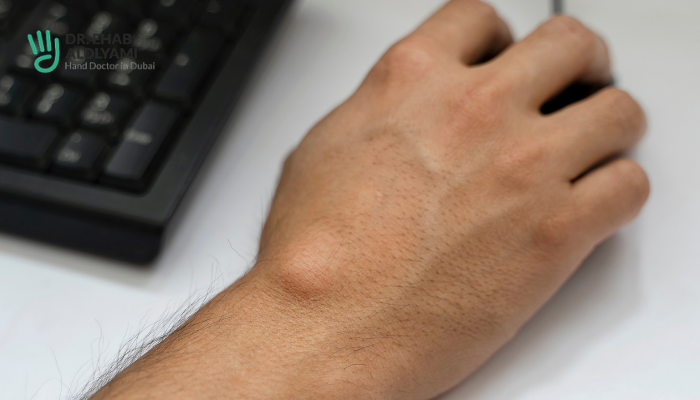
A small lump near your wrist, fingers, or foot might not seem like a big deal at first, but it could be a ganglion cyst. These are harmless, fluid-filled lumps that usually form around joints or tendons. Even though they are not cancerous, knowing the signs and symptoms can help you avoid discomfort and potential complications.
Ganglion cysts can appear unexpectedly and may slowly grow over time. Some cause no pain at all, while others can press on nearby nerves, leading to discomfort, tingling, numbness, or weakness.
Many people first notice these lumps during everyday activities like typing on a keyboard, exercising, or lifting heavy objects. Being aware of these changes early makes it easier to manage and treat them before they interfere with daily life.
Ganglion Cyst Wrist | Ganglion Cyst Finger | Ganglion Cyst Foot|
Ganglion Cyst Wrist
The most common location for a cyst is the wrist area. A ganglion cyst wrist condition may cause stiffness, discomfort during movement, or difficulty bending the hand properly. Many individuals first discover the lump after experiencing pain while working on a computer or carrying heavy items.
Doctors believe repetitive stress on joints and tendons may contribute to the development of these cysts. Although the exact reason is not always clear, several ganglion cyst causes have been linked to joint irritation, injuries, and overuse of the affected area.
People with ganglion cyst symptoms often notice that the lump changes in size over time. It may become larger or more noticeable after physical activity and shrink when the joint is rested. These changes can be confusing for many patients and sometimes cause them to delay seeking proper medical advice.
Ganglion Cyst Finger
A ganglion cyst finger issue can interfere with simple everyday tasks such as writing, gripping objects, or using a smartphone. The cyst can form near the finger joints and may cause tenderness or discomfort when pressure is applied. In some cases, moving the affected area becomes difficult or painful because the cyst presses against nearby nerves, tendons, or other surrounding tissues.
Many patients wonder, is ganglion cyst dangerous if it is not causing severe pain. In most situations, these cysts are harmless. However, they should still be monitored because they can affect mobility, compress nerves, or create long-term discomfort if ignored.
Ganglion Cyst Foot
Another common area is the foot or ankle. A ganglion cyst foot problem may make walking difficult, especially when shoes rub against the cyst repeatedly. Some people may feel sharp pain after standing for long periods, while others experience only mild discomfort or irritation.
Understanding the available treatment options for a ganglion cyst is important for managing symptoms and preventing discomfort from getting worse. The right treatment usually depends on the cyst’s size, location, and how severe the symptoms are. In some cases, doctors may simply monitor the cyst, while others may require a brace or splint to limit movement. If the cyst becomes painful or affects joint function, procedures such as fluid drainage or surgical removal may be recommended.
A ganglion cyst may feel soft or firm depending on the amount of fluid inside it. Some cysts are small like a pea, while others become large enough to affect appearance and daily activities. Even though they are usually benign, people should not ignore persistent swelling near joints.
Ganglion Cyst Causes
Medical experts continue to study the causes of ganglion cysts because the exact reason they develop is not yet fully understood
Ganglion Cyst Causes
- Often linked to joint injuries, repetitive hand or wrist movements, arthritis, and tendon irritation.
- More common in individuals who perform repetitive or physically demanding activities.
- Can be triggered or worsened by continuous stress on the wrist and hand joints.
Many individuals search online, asking is ganglion cyst dangerous when they notice sudden swelling near a joint. Although most ganglion cysts are not dangerous, they should not be completely ignored. Ongoing pain, difficulty moving the affected area, or a cyst that grows quickly should always be checked by a healthcare professional to rule out complications and ensure proper treatment.
Common Symptoms
Soft or firm lump near a joint, often changing size over time.
Pain or discomfort during movement, especially with repetitive tasks.
Weakness in the affected hand, making it hard to grip or hold objects.
Ganglion Cyst Treatment
There are several approaches to ganglion cyst treatment, depending on the patient’s condition. In mild cases, doctors may simply monitor the cyst because some disappear on their own. Wearing a brace or splint can reduce movement and ease discomfort in affected joints.
Treatment Options
- Observation: Mild cysts may shrink or disappear without intervention. Regular monitoring by a professionals ensures that any changes in size, shape, or symptoms are promptly addressed.
- Bracing or Splinting: Immobilizsng the affected joint can reduce movement, limit irritation, and alleviate discomfort. This approach is often recommended for wrist or finger cysts that flare up during daily activities.
- Aspiration: A simple procedure where the fluid is drained from nside the cyst using a needle. Provides temporary relief, reduces swelling, and helps improve mobility, although cysts can recur.
- Surgery: Considered when cysts cause persistent pain, significantly limit motion, or interfere with daily activities. Surgical removal involves excising the cyst and its stalk to reduce the chance of recurrence.
- Supportive Measures: For foot cysts, wearing properly fitting shoes can prevent rubbing and pressure. Reducing repetitive strain and following ergonomic practices in daily activities helps prevent aggravation. Seeking early medical evaluation ensures appropriate guidance.
- Early Recognition: Paying attention to early signs such as swelling, pain, or changes in joint movement allows timely intervention, preventing worsening symptoms and minimizing complications.
Note: Most ganglion cysts are benign and non-cancerous, but rapid growth or severe pain requires professional assessment.
Some patients continue asking, is ganglion cyst dangerous if the lump keeps growing larger. Doctors generally reassure patients that ganglion cysts are non-cancerous, but rapid growth or severe pain should still be assessed carefully.
Expert diagnosis & advanced ganglion cyst treatment with Dr. Ehab Aldlyami
Proper treatment for a ganglion cyst can greatly improve comfort and overall quality of life. Whether the condition is managed through monitoring, fluid drainage, or surgery, the best treatment approach depends on the person’s symptoms and medical condition.
Living with a ganglion cyst can be frustrating, especially when pain or stiffness affects everyday activities. The good news is that early diagnosis and proper care often lead to successful outcomes and better symptom control.
A recurring cyst on the finger should not be ignored, as repeated irritation may gradually affect hand movement and flexibility. In the same way, a painful cyst on the foot can make walking, standing, or wearing shoes increasingly uncomfortable over time.
Understanding the possible causes of ganglion cysts and knowing the available treatment options can help people respond quickly when symptoms appear. Recognizing warning signs early and seeking the right medical care may reduce unnecessary pain and support long-term joint health.
Book your consultation today and take the first step toward pain-free hand function.