

Thumb joint replacement: What it is, symptoms and treatment

Constant pain in the base of the hand can make even everyday activities such as turning a key, opening a jar and writing extremely difficult. When conservative treatments no longer provide relief for severe basilar joint arthritis, thumb joint replacement offers a reliable surgical option to restore mobility and eliminate discomfort.
As a specialized hand surgeon, Dr. Ehab Aldlyami goal is to help you understand how this procedure works, how to recognize the clinical indicators, and what to expect during the recovery process.
Understanding basilar joint arthritis and who needs surgery?
Thumb arthritis typically affects the carpometacarpal (CMC) joint, where the thumb metatarsal bone meets the trapezium bone at the base of the palm. Thanks to this joint, the thumb is able to pivot, swivel, and pinch. As the cartilage gradually wears away, it can result in bone rubbing directly against bone, which leads to pain.
Splints, physical therapy, or corticosteroid injections are effective in treating early arthritis, and surgery can be used in more severe cases when the joint is very damaged. A thumb joint replacement is performed whenever the joint surfaces have become damaged and are replaced with an artificial joint or a tissue graft to restore a pain-free and functional joint.
Recognising the symptoms of thumb joint replacement candidates
It’s important to recognize the signs that your milder inflammation has turned into serious joint damage so that you can get your medical evaluation in time. Signs that are common and may indicate you are a candidate for surgery include:
- A constant pain at the base of your thumb that becomes more noticeable when pinching, grasping or pressing.
- Swelling, pain and stiffness around the base of the skull, especially in the morning.
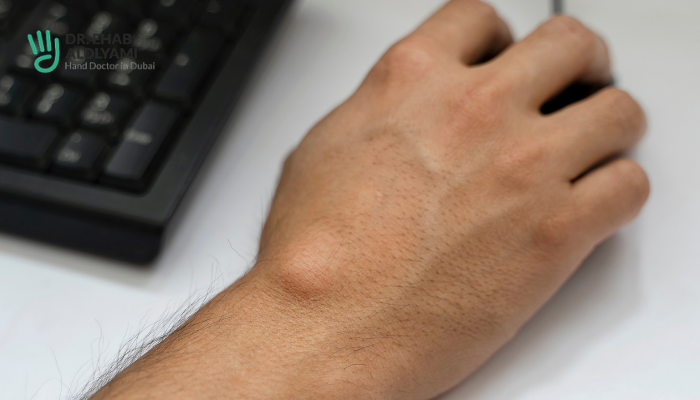
- A prominent bony prominence or deformity at the base of the hand, which is caused by the joint moving out of alignment.
- Loss of grip strength and range of motion for common daily activities.
If you experience these debilitating issues and non-surgical therapies fail to improve your mobility, exploring the symptoms of thumb joint replacement eligibility with a specialist can help guide your treatment pathway.
The thumb joint replacement surgery procedure
When conservative options are exhausted, thumb joint replacement surgery is performed to reconstruct the degraded anatomy. The surgery is usually done under regional or general anesthesia and is done on an outpatient basis.
The surgeon will make an accurate cut at the bottom of the thumb to reach the CMC joint during the procedure. The damaged and arthritic part of the trapezium bone is carefully removed.
Depending on the anatomical needs, the joint is reconstructed with an artificial but strong implant or with a tendon obtained from the forearm, giving rise to a stable cushion. This careful reconstruction eliminates the painful rubbing of the bones and retains the flexibility of hand.
Thumb joint replacement surgery recovery time and rehabilitation
A successful outcome depends heavily on your postoperative care and hand therapy program. Having a clear picture of thumb joint replacement surgery recovery time and its milestones can help you plan ahead and maintain expectations that are genuinely realistic.
Postoperative timeline
- Weeks 1 to 2: A bulky dressing or temporary splint will be used to protect your hand and keep the newly reconstructed joint stable to allow it to heal properly.
- Weeks 3 to 6: First dressing removed and started with a lightweight, custom-fit thumb splint. Under the guidance of Dr. Ehab Aldlyami, you will begin gentle finger movements and targeted exercises to prevent joint stiffness.
- Weeks 6 and beyond: You will gradually reduce your reliance on the splint and advance to targeted strengthening exercises. By 6 weeks most patients are able to return to light domestic duties, and between 3-6 months is when structural recovery and maximum grip strength are likely to be regained.
Why choose Dr. Ehab Aldlyami in Dubai?
When addressing complex conditions of the hand and wrist, choosing an experienced specialist ensures optimal functional recovery. As a highly qualified hand surgeon, Dr. Ehab Aldlyami does not believe in one-size-fits-all treatment. His approach is precise, grounded in evidence, and shaped entirely around your specific lifestyle.
By utilizing advanced diagnostic methods and modern surgical techniques, our clinic ensures that your journey toward pain-free movement is safe, structured, and fully supported. Schedule a comprehensive evaluation with Dr. Ehab Aldlyami today and discuss your customized treatment options.
FAQs
The primary symptoms of thumb joint replacement eligibility include severe, chronic pain at the base of the thumb, a visible deformity or protrusion at the hand joint, and an inability to perform basic pinching or gripping tasks due to advanced cartilage loss.
The initial clinical healing phase takes about six weeks in a protective splint, while the total thumb joint replacement surgery recovery time required to regain full grip strength and complete dexterity ranges from three to six months, depending on compliance with hand therapy.
Thumb joint replacement surgery, like any orthopedic procedure, comes with minor risks, these can include localised infection, nerve irritation, tendon injury, or shifting of the implant. These complications are minimized by working with a certified hand specialist and following strict postoperative guidelines.
There are no specific vitamins for thumb joint replacement prevention that can restore worn cartilage, but certain supplements like Omega-3 fatty acids, glucosamine and Vitamin D can help alleviate overall joint inflammation and help maintain bone health with direct medical supervision.