


Carpal Tunnel Syndrome
Treatment in Dubai
“I thought I would never be able to type again.”
This is something many patients with carpal tunnel syndrome say when they first seek help. Simple tasks like typing, writing, or even holding a phone can become frustrating or impossible.
The good news? With the right carpal tunnel syndrome treatment in Dubai, many patients not only find relief from pain but also regain full hand function.
If you’re experiencing tingling, numbness, or weakness in your hands, this guide will help you understand what’s happening and what you can do about it.

What is carpal tunnel syndrome?
Carpal Tunnel Syndrome, or CTS, happens when there is pressure on the median nerve. This nerve passes through a small space in your wrist known as the carpal tunnel.
This nerve controls sensation and movement in:
- Thumb
- Index finger
- Middle finger
- Part of the ring finger
When the tunnel narrows due to swelling or inflammation, the nerve becomes compressed, leading to numbness, tingling, and pain.
Understanding the carpal tunnel
The carpal tunnel is a rigid, narrow space made up of:
- Wrist bones (carpal bones)
- A strong ligament (transverse carpal ligament)
Alongside the median nerve, this tunnel also contains tendons that help bend your fingers.
Because this space is so limited, even minor swelling can increase pressure on the nerve, triggering CTS symptoms.
Common symptoms of carpal tunnel syndrome
Symptoms often start gradually and may worsen if left untreated.
Early signs of carpal tunnel syndrome:
- You might feel tingling or a “pins and needles” sensation in your fingers.
- Numbness can happen, especially during the night.
- Your fingers may feel swollen, even if they do not look that way.
- You may often feel the need to shake your hand to get some relief.
Progressive symptoms:
- Pain that radiates up the arm
- Weak grip strength
- Difficulty holding objects
- Symptoms during activities like driving or using a phone
Advanced symptoms:
- Loss of muscle at the base of the thumb
- Loss of coordination
- Difficulty typing, writing, or performing fine tasks
Who is at risk?
Anyone can get Carpal Tunnel Syndrome, but some things make it more likely:
- Doing the same hand movements over and over, like typing or assembly work
- Using tools that vibrate
- Having a wrist injury or trauma
- Having arthritis or other joint problems
- Having diabetes
- Going through hormonal changes, especially during pregnancy
- Being overweight
- Having thyroid problems
Women are also more likely to develop CTS because their carpal tunnels are naturally narrower.
How is carpal tunnel syndrome diagnosed?
A precise diagnosis is essential for effective treatment. A specialist like Dr. Ehab Bassim Aldlyami conducts a thorough evaluation that may include:
- Clinical examination
Assessment of:
- Hand strength
- Sensation
- Muscle condition
- Tests
- Tinel’s Test: Tapping over the nerve to reproduce symptoms
- Phalen’s Test: Wrist positioning to trigger tingling
- Electrodiagnostic Tests
- Nerve conduction studies
- Electromyography (EMG)
These tests measure how well the median nerve is functioning.
- Imaging (if needed)
- Ultrasound
- MRI
- X-rays (to rule out other conditions)
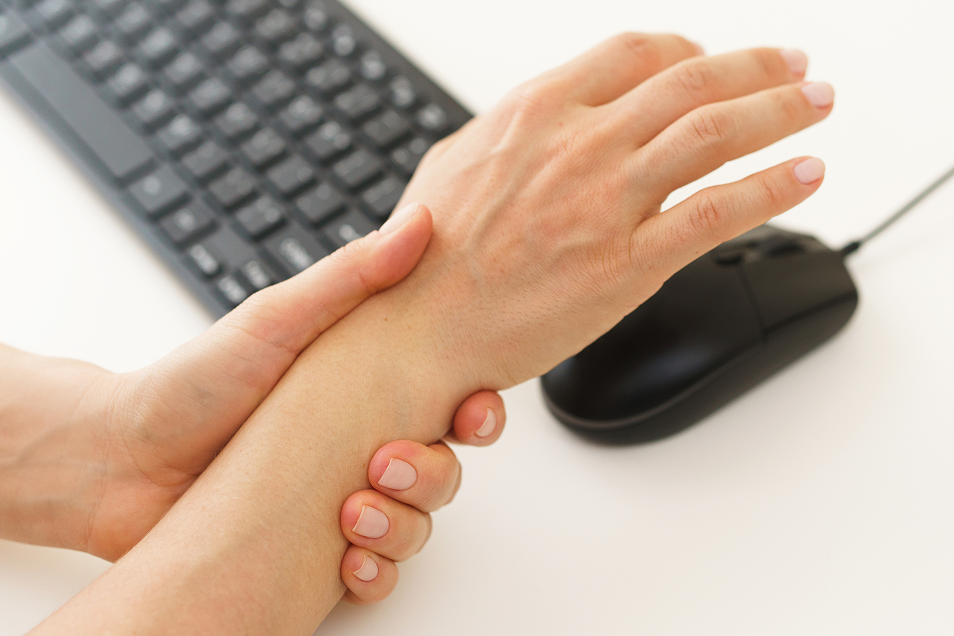
Carpal tunnel syndrome treatment in Dubai
Treatment depends on the severity of symptoms and how long they’ve been present.
Non-surgical treatments
For mild to moderate cases, conservative treatment can be highly effective:
- Wrist splinting
Wearing a splint (especially at night) keeps the wrist in a neutral position and reduces nerve pressure.
- Activity modification
- Take frequent breaks
- Avoid repetitive strain
- Improve ergonomics
- Medications
Over-the-counter pain relievers can help temporarily manage discomfort.
- Corticosteroid injections
These reduce inflammation and relieve pressure on the nerve.
- Physiotherapy & exercises
Targeted exercises improve flexibility, strength, and nerve mobility.
- Alternative therapies
Some patients benefit from:
- Yoga
- Acupuncture
- Chiropractic care
Carpal tunnel surgery in Dubai
When symptoms are severe or do not improve with conservative care, surgery may be recommended.
Types of surgery:
- Open carpal tunnel release
- A small incision is made in the palm
- The ligament is cut to relieve pressure
- Endoscopic carpal tunnel surgery
- Minimally invasive
- Smaller incisions
- Faster recovery
Both procedures are highly effective and performed under local anesthesia.
Recovery and rehabilitation
Recovery doesn’t end after treatment; it continues with proper care and lifestyle adjustments.
Tips for a smoother recovery:
- Maintain good wrist posture
- Use ergonomic workstations
- Perform hand and wrist exercises regularly
- Wear wrist support when needed
- Avoid repetitive strain
- Apply cold packs to reduce inflammation
- Keep your wrist straight while sleeping
These measures significantly enhance outcomes after carpal tunnel syndrome treatment in Dubai.
When should you see a specialist?
Don’t ignore persistent symptoms. Early treatment prevents long-term nerve damage.
Consult a specialist if you experience:
- Ongoing numbness or tingling
- Weakness in the hand
- Difficulty performing daily tasks
- Night-time pain that disrupts sleep
Choose Dr. Ehab Bassim Aldlyami
Dr. Ehab Bassim Aldlyami is a Consultant Trauma and Orthopedic Surgeon with specialised expertise in hand surgery, wrist disorders, and nerve compression conditions.
With a strong patient-centric approach, he focuses on delivering accurate diagnoses, creating personalised treatment plans tailored to each individual, and utilising advanced surgical techniques whenever required to achieve the best possible outcomes.
His goal is simple: restore function and improve quality of life.
If you’re struggling with symptoms, don’t wait. Book now!
FAQs
The best treatment depends on severity. Mild cases respond well to splints and therapy, while severe cases may require carpal tunnel surgery in Dubai.
In the early stages, symptoms sometimes get better with rest and changes to your daily habits. But if carpal tunnel syndrome is not treated, it can get worse as time goes on.
This surgery is usually done with local anesthesia, so you will feel little pain during the procedure. Any discomfort afterward is temporary and can be managed.
Most people can start light activities a few days after surgery and fully recover in a few weeks, though this depends on the type of procedure and how quickly you heal.
Yes, many patients avoid surgery with early interventions such as splinting, physiotherapy, and injections.
Untreated CTS can lead to permanent nerve damage, muscle wasting, and loss of hand function.
Yes, nerve gliding and stretching exercises can help reduce symptoms and improve mobility when performed correctly.
If the symptoms continue despite treatment, or if there is weakness or nerve damage, surgery may be advised.
Recurrence is uncommon but possible. Proper ergonomics and wrist care can help prevent it.