


What to Know About a Distal Radius Fracture: Causes, Symptoms & Treatment

Distal radius fracture

The distal radius fracture is the most common broken wrist. It can follow a simple fall or a high-energy accident and affects adults of all ages. Knowing the causes, signs, treatment choices, and expected recovery time helps you make timely, confident decisions.

This blog helps readers understand what a distal radius fracture is, its causes, symptoms, and types, along with available treatment options and expected recovery time. It also highlights the importance of an expert surgeon in providing precise, patient-centered care for wrist and hand injuries.

What is a Distal Radius Fracture


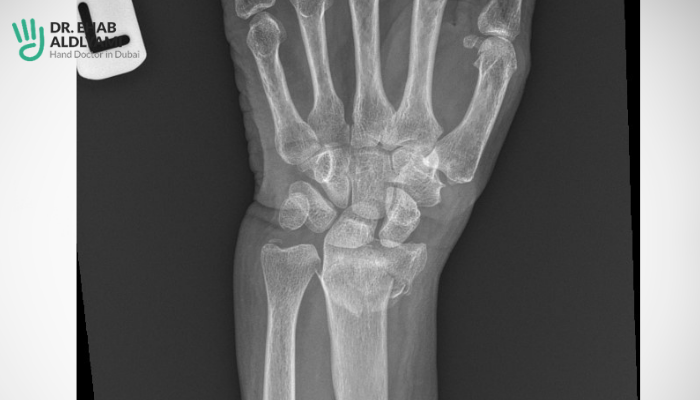
The radius bone sits on the thumb side of your forearm. A distal radius fracture is a break about one inch from the wrist end of this bone. 

In younger people, it often follows a fall from height, a sports crash, or a vehicle collision. In older adults, especially with osteoporosis, it can occur after a simple slip and fall.

Distal Radius Fracture Symptoms

Common symptoms of a distal radius fracture include:

  • Sharp wrist pain that worsens with movement or touch
  • Swelling around the wrist and lower forearm
  • Bruising that develops soon after the injury
  • Tenderness when pressing the affected area
  • Difficulty moving fingers or thumb due to pain or stiffness
  • Visible deformity or bending of the wrist
  • Numbness or tingling in the fingers, indicating possible nerve involvement, may require an urgent medical review.

Distal Radius Fracture Types

Correct classification guides treatment and recovery expectations.

  • Extra-articular- The break does not enter the wrist joint.
  • Intra-articular- The break extends into the joint surface.
  • Open fracture- Bone fragments break the skin and raise infection risk.
  • Comminuted fracture- The bone is in three or more pieces.
  • Colles fracture- A common pattern where the broken fragment tilts upward.

In some cases there is also a break of the ulna near the wrist. This may change the plan for stabilization.

How Diagnosis is Made

After examination, standard X-rays confirm the break, show alignment, and reveal how many pieces are involved. A CT scan may be used for complex or joint-involving fractures to plan precise treatment.

Distal Radius Fracture Treatment

Your plan depends on fracture type, alignment, skin condition, age, bone quality, and activity level.

Non-surgical care

If the bones are well aligned, a splint followed by a cast can hold the wrist while it heals. If alignment is slightly off, a closed reduction can realign the fragments without an incision. 

The wrist is then immobilized. Follow-up X-rays in the first weeks check that the position is maintained.

Surgical care

Surgery is recommended when alignment cannot be achieved or held in a cast, when the joint surface is disrupted, or when the fracture is open. 

Options include:

  • Plate and screws to restore anatomy and allow early motion
  • Smooth pins in select cases
  • External fixation in severe or open injuries
  • Combinations of the above as needed

Open fractures require prompt surgery and antibiotics to lower infection risk. Soft tissue care is as important as bone stabilization.

Non-surgical measures are prioritized when safe. When surgery is the best path, modern fixation and meticulous technique support faster functional recovery.

Distal Radius Fracture Recovery Time

Bone healing typically takes about six weeks. Many people begin gentle wrist motion soon after cast removal or within a few days of surgery, guided by hand therapy. Light daily tasks often return in six to eight weeks. 

Heavier use and sport usually return between three and six months, depending on injury severity and job demands. Full recovery, including strength and fine coordination, can continue to improve for up to one year.

Rehabilitation and Pain Control

  • Reduce pain and swelling with elevation, ice, and over-the-counter pain relievers.
  • The medication plan may include acetaminophen and anti-inflammatory drugs as advised.
  • Opioids, if needed, are prescribed briefly and at the lowest effective dose.
  • Hand therapy begins with finger motion, wrist movement, and grip training.
  • Home exercises performed regularly are key to restoring strength and full function.

Distal Radius Fracture Long-Term Effects

  • Most patients regain normal wrist function after proper treatment and rehabilitation.
  • Mild stiffness or occasional aching may persist for several months but usually improves over time.
  • Severe or joint-involving fractures and pre-existing arthritis can lead to some lasting limitations.
  • Complex regional pain syndrome (CRPS) is rare but should be identified and treated early.
  • Older adults should undergo osteoporosis screening and management to prevent future fractures.

When to Seek Urgent Care

  • If the wrist appears bent, misshapen, or deformed, visit an emergency clinic immediately.
  • Seek help for severe pain that does not ease with rest, ice, or basic medication.
  • Get urgent evaluation if your fingers feel numb, tingly, cold, or pale.
  • Prompt medical attention helps protect nerve function and prevent further complications.

Why Choose Dr. Ehab Aldlyami

Choosing the right hand and wrist specialist can define how well you recover after an injury. Under the care of Dr. Ehab Bassim Aldlyami, patients receive far more than medical treatment; they gain confidence, clarity, and comfort throughout their recovery journey.

His care is thorough, conservative when appropriate, and precise when surgery is needed. You will receive a clear diagnosis, non-surgical options first, and a plan that fits your goals and daily life.

  • Fellowship-trained hand surgeon with two decades of focused experience
  • Vice President, Emirates Hand Surgery Society
  • Conservative therapy first, surgery when clearly beneficial
  • Clear explanations and shared decision-making
  • Close follow-up with therapy to speed safe return to function

Rehabilitation and hand therapy are integrated into every treatment plan to help you return to the normal activities safely and efficiently.

Regain Strength, Function, and Confidence with Expert Hand Care


A distal radius fracture can disrupt daily life, but with the right specialist, full recovery is within reach. Under Dr. Ehab Aldlyami’s expert care, long-term recovery is emphasized, restoring motion, strength, and confidence. 

His patient-first approach ensures every step of healing is tailored to you.

Ready for a clear diagnosis and a plan that fits your life?

Book a consultation with Dr. Ehab Aldlyami for expert evaluation and a personalized treatment plan for your broken wrist.

Distal radius fracture

Related Post

Contact Us