

Common Scaphoid Fracture Complications
A wrist injury may seem minor at first, especially if the pain is manageable and there is no obvious deformity. However, some wrist injuries require immediate attention to prevent long-term problems. One such injury is a scaphoid fracture, a break in one of the small bones located near the base of the thumb. While many people recover fully with proper treatment, delayed diagnosis or inadequate care can lead to several complications of scaphoid fracture that affect wrist function for years.
Understanding the warning signs, treatment challenges, and potential complications of scaphoid fracture can help patients seek timely care and improve their chances of a successful recovery.
Understanding a Wrist Scaphoid Fracture
A wrist scaphoid fracture typically occurs when someone falls onto an outstretched hand. This type of injury is common among athletes, cyclists, skaters, and individuals involved in activities where falls are more likely.
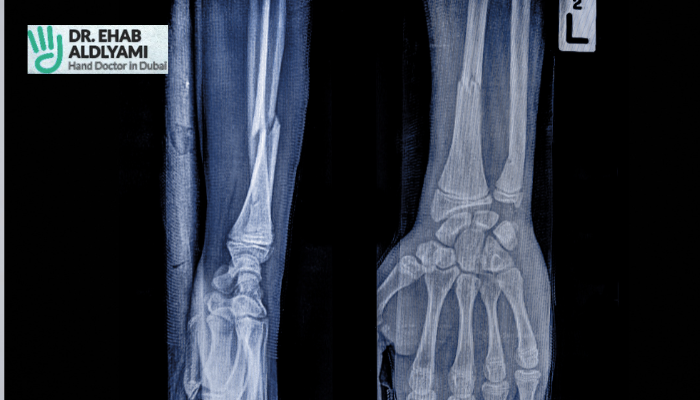
The scaphoid bone plays an important role in wrist stability and movement. Because of its unique position and limited blood supply, a wrist scaphoid fracture can sometimes be difficult to diagnose immediately. In fact, initial X-rays may not always reveal the fracture, causing some patients to believe they have only suffered a minor sprain.
Ignoring a wrist scaphoid fracture or delaying treatment increases the risk of long-term complications. This is why proper evaluation and follow-up imaging are often recommended when symptoms persist.
Recognizing Scaphoid Fracture Symptoms
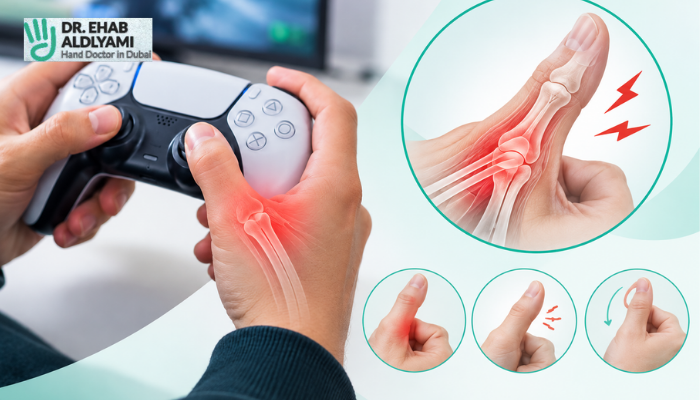
Early diagnosis begins with recognizing Scaphoid fracture symptoms. Pain near the thumb side of the wrist is one of the most common signs. The discomfort often becomes worse when gripping objects, lifting items, or moving the wrist.
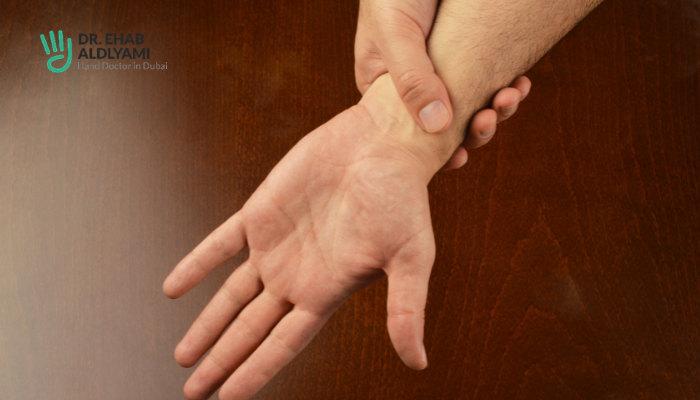
Other Scaphoid fracture symptoms may include swelling, tenderness in the anatomical snuffbox area, reduced grip strength, and difficulty performing everyday tasks. Some people experience only mild pain, which can make the injury easy to overlook.
Because Scaphoid fracture symptoms can resemble those of a wrist sprain, many individuals continue their regular activities without realizing they have a fracture. Unfortunately, this delay in treatment can contribute to future complications.
If Scaphoid fracture symptoms continue beyond a few days after a wrist injury, medical evaluation is essential to prevent further damage.
Why Complications Can Occur
Unlike many other bones in the body, the scaphoid receives a relatively limited blood supply. This unique characteristic is one reason why the complications of scaphoid fracture can be more significant than those associated with other wrist injuries.
When the blood supply is disrupted after a fracture, healing may become slow or incomplete. Even when pain improves temporarily, the bone may not heal correctly. As a result, patients can experience ongoing discomfort, weakness, and restricted wrist function.
Several factors influence the risk of complications of scaphoid fracture, including fracture location, severity of the break, treatment timing, and patient compliance with immobilization recommendations.
Scaphoid Fracture Nonunion: A Serious Concern
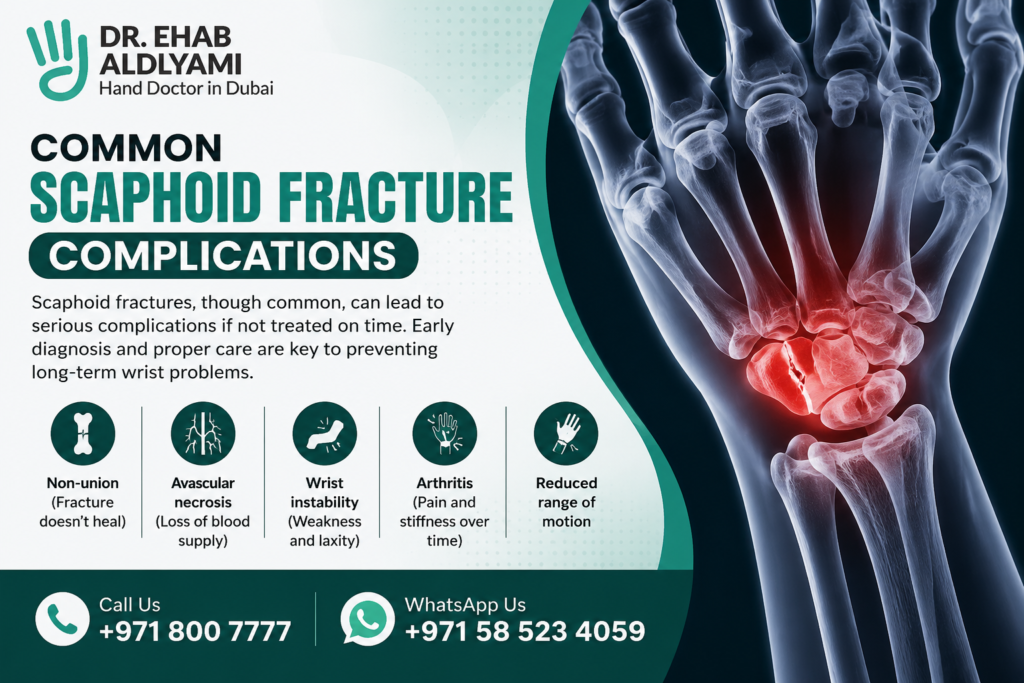
One of the most common and significant complications is scaphoid fracture nonunion. This condition occurs when the broken bone fails to heal completely despite adequate time for recovery.
A scaphoid fracture nonunion may develop if the injury goes undiagnosed or if the fractured bone fragments are unable to reconnect properly. Patients with scaphoid fracture nonunion often continue to experience wrist pain, weakness, and limited motion long after the initial injury.
Over time, scaphoid fracture nonunion can alter the mechanics of the wrist joint. This abnormal movement places additional stress on surrounding bones and cartilage, increasing the likelihood of arthritis and chronic pain.
Because scaphoid fracture nonunion can significantly impact wrist function, surgical intervention is often required to restore stability and promote healing.
Scaphoid Fracture Stiffness and Reduced Mobility
One of the challenges some patients face during recovery is scaphoid fracture stiffness. Although keeping the wrist immobilized in a cast or brace is often necessary to ensure proper healing, limited movement over an extended period can sometimes lead to stiffness and reduced flexibility in the joint.
Many people first notice scaphoid fracture stiffness after their cast is removed. Simple everyday tasks such as opening jars, turning a doorknob, typing on a keyboard, lifting household items, or returning to sports can feel uncomfortable and more difficult than expected. The wrist may feel tight, weak, or less mobile than it did before the injury.
In most cases, mild scaphoid fracture stiffness gradually improves with regular movement and prescribed rehabilitation exercises. However, if the stiffness is significant or persists for a longer period, physical therapy may be needed to rebuild strength, improve flexibility, and restore normal wrist function. Delaying treatment or rehabilitation can increase the risk of ongoing scaphoid fracture stiffness, which may prolong the recovery process and make it harder to regain full mobility.
Fortunately, early rehabilitation under professional guidance can help minimize stiffness and improve overall wrist function.
Other Common Complications of Scaphoid Fracture
In addition to nonunion and stiffness, several other complications of scaphoid fracture may occur if healing does not progress as expected.
One potential issue is avascular necrosis, a condition in which part of the scaphoid bone loses its blood supply and begins to deteriorate. This complication is more common when fractures occur in areas of the bone with already limited circulation.
Arthritis is another long-term consequence associated with untreated or poorly healed fractures. Chronic joint instability resulting from a wrist scaphoid fracture can gradually wear down cartilage and lead to ongoing pain.
Preventing Long-Term Problems
The best way to avoid the complications of scaphoid fracture is through early diagnosis and appropriate treatment. Anyone experiencing Scaphoid fracture symptoms after a fall or wrist injury should seek medical evaluation, even if the pain appears mild.
If a scaphoid fracture is suspected, healthcare providers may use imaging tests such as X-rays, CT scans, or MRI scans to get a clear picture of the injury and confirm the diagnosis. When a wrist scaphoid fracture is identified early, treatment with a cast or brace is often highly effective and can give the bone the stability it needs to heal properly.
Recovery doesn’t end with the initial treatment. Following your doctor’s instructions closely is just as important. Returning to sports, gym workouts, heavy lifting, or physically demanding activities too soon can interfere with healing and increase the likelihood of scaphoid fracture nonunion and other long-term complications.
As the bone begins to heal, rehabilitation becomes an important part of the recovery process. Guided exercises and physical therapy can help reduce scaphoid fracture stiffness, improve flexibility, and gradually restore normal wrist strength and movement. With patience and proper care, most individuals can return to their regular activities while minimizing the risk of future wrist problems.
Expert diagnosis & advanced treatment for common scaphoid fracture complications with Dr. Ehab Aldlyami
If wrist pain continues after an injury, do not assume it is simply a sprain. Persistent tenderness, swelling, reduced grip strength, and other Scaphoid fracture symptoms should always be evaluated by a healthcare professional.
Getting a timely diagnosis and starting treatment as early as possible can greatly reduce the risk of complications of scaphoid fracture, including scaphoid fracture nonunion and scaphoid fracture stiffness. When the injury is managed correctly and rehabilitation guidelines are followed, most people are able to regain normal wrist movement, rebuild strength, and return to their everyday activities with confidence.
A wrist scaphoid fracture may not always appear serious at first, especially if the pain is mild or mistaken for a simple sprain. However, delaying treatment can lead to long-term problems that may affect wrist function and quality of life. Being aware of the warning signs, paying attention to symptoms, and seeking medical care when needed can play a major role in ensuring a smooth recovery and preventing future complications.
Schedule your consultation today and start your journey to pain-free hand movement.